
Deadline: 2 months before your conference.
Apply for the WiML Travel Grant →
A Historic Opportunity
Machine learning stands at a pivotal moment in history—a field so new that its foundational principles, research culture, and leadership structures are still being written. Unlike traditional STEM disciplines with centuries of established practices, AI offers an unprecedented opportunity for women to be architects rather than reformers, pioneers rather than late arrivals seeking acceptance.
Your Call to Action
As you read these concepts and quotes, consider them not just as inspiration but as a call to action. Whether you’re entering the field, advancing in your career, or working to change it from within, you have the power to help write the next chapter of machine learning’s story. This is your invitation to be part of shaping that future.


Seizing the Opportunity to Shape a New Field
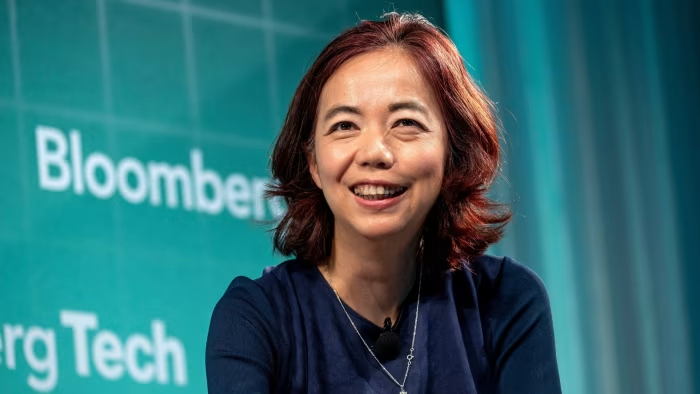
Machine learning and AI represent one of the rare moments in history when an entirely new scientific discipline is being born. Unlike established fields with centuries of entrenched practices and systemic barriers, AI offers women a unique opportunity to be foundational architects rather than late arrivals seeking acceptance.
AI is a new discipline. We have a chance to shape the future of this field, and we have a chance to not make the mistakes of the past.
– Dr. Fei-Fei Li
This moment demands bold action—women can establish new norms, create inclusive research cultures, and ensure diverse perspectives are embedded in the field’s DNA from the beginning. The decisions made today about how AI research is conducted, who leads it, and what problems it prioritizes will echo for generations.
Beyond Representation: Creating Sustainable Change
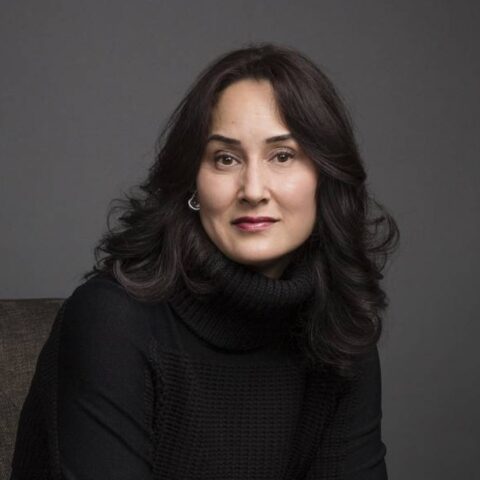
True progress in diversifying machine learning requires more than simply increasing numbers. It demands addressing the structural challenges that push women out once they arrive—from hostile work environments to lack of advancement opportunities to being silenced when they voice concerns.
It’s not just about getting more women in the field. It’s about what happens when you’re there. And it’s about what happens when you speak up. And what happens when you get pushed out.
– Dr. Timnit Gebru
Women in ML face the dual challenge of excelling in their technical work while simultaneously advocating for systemic change. This includes calling out bias in datasets, challenging discriminatory hiring practices, and refusing to accept environments where their voices are marginalized. Sustainable change happens when women not only enter the field but thrive, lead, and transform it from within.
The Power of Passion Over Privilege
The most transformative contributors to machine learning often come from unexpected backgrounds, bringing fresh perspectives precisely because they didn’t follow traditional paths. Women and underrepresented individuals who succeed in ML typically possess extraordinary dedication—they’ve overcome significant barriers, fought for opportunities, and maintained passion despite discouragement.
“I often find that people who are underrepresented in a field end up being some of the best people at it, because they didn’t get there by accident. They really had to fight for it and had a deep passion for it. So I would say to any woman out there, or any human who feels like they don’t fit in, just go for it.” – Cassie Kozyrkov
This journey, while challenging, creates researchers with unique insights, innovative approaches, and unshakeable commitment to their work. Rather than seeing non-traditional backgrounds as disadvantages, the field should recognize them as sources of strength and innovation.
Technical Excellence Cannot Solve Cultural Problems
While machine learning offers powerful tools for pattern recognition and prediction, it cannot automatically eliminate deeply rooted social biases and discrimination. The assumption that better algorithms will solve inequality overlooks the fact that these systems are designed, trained, and deployed by humans who carry their own biases.
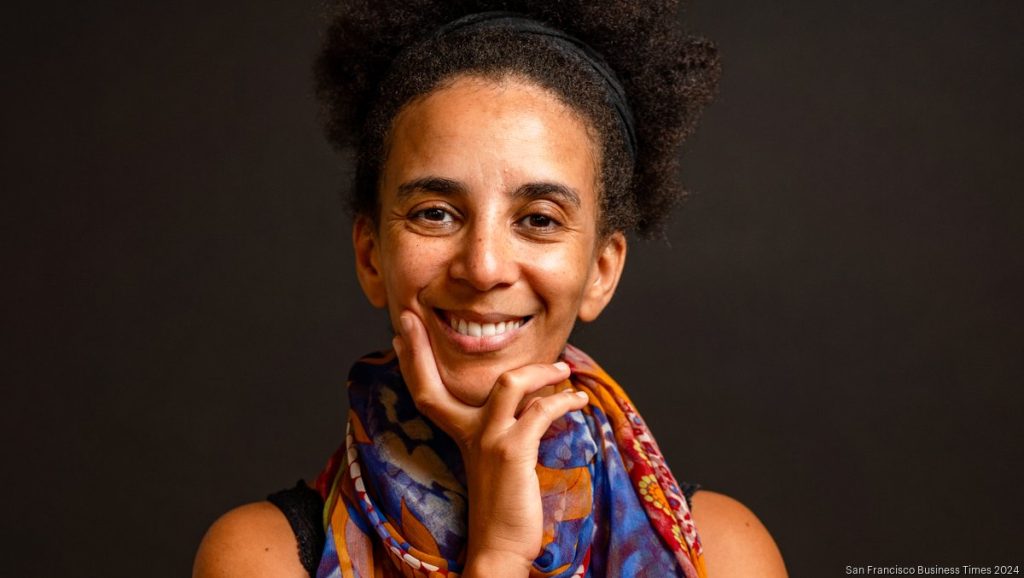
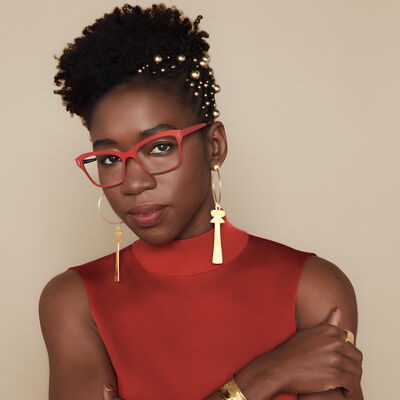
“AI will not solve discrimination, because the cultural patterns that say one group of people is better than another because of their gender, their skin color, the way they speak, their height, or their wealth are not technical.” – Joy Buolamwini
Discrimination in AI systems reflects the broader cultural patterns that devalue certain groups—no amount of technical sophistication can correct biased training data or eliminate prejudiced decision-making by human operators. Addressing AI bias requires confronting the underlying social inequities that create these patterns in the first place.
Breaking Through Financial and Network Barriers
Women entrepreneurs in machine learning face significant structural disadvantages when seeking funding and building professional networks. Research consistently shows that women receive smaller investment amounts, face more skeptical questioning from investors, and are often perceived as less confident even when presenting identical pitches.
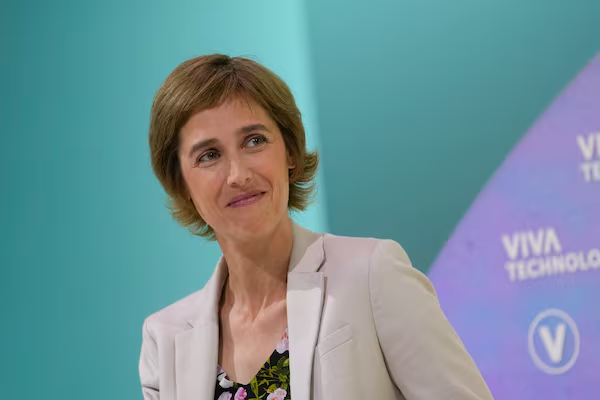
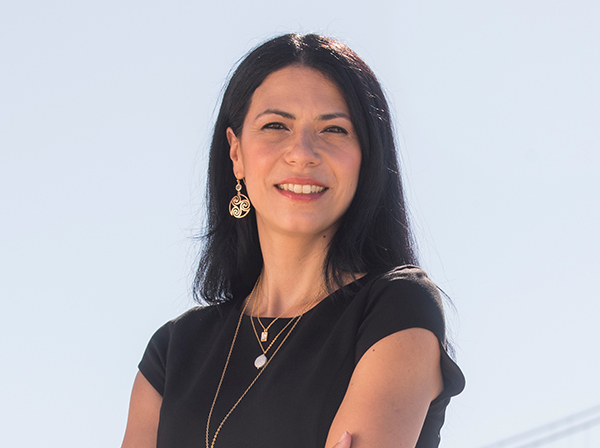
The first challenge is fundraising. Women tend to ask for less and are often perceived as less confident, so they receive less money. The second challenge is getting access to the right network. We don’t have the same access to male-dominated networks like the VCs.
– Daniela Braga
Additionally, the venture capital world remains heavily male-dominated, creating informal networks that exclude women from crucial relationships and opportunities. Success requires not only technical excellence but also strategic networking, mentorship seeking, and sometimes creating alternative funding pathways. Recognizing these barriers is the first step to overcoming them.
The Risks of Homogeneous Decision-Making
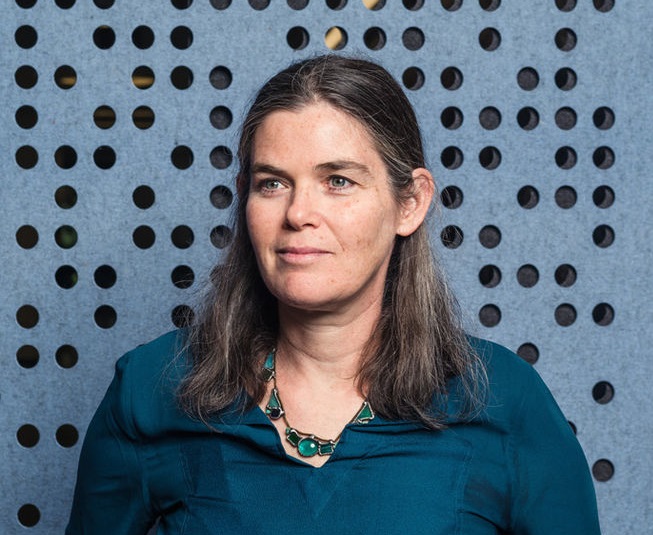
When transformative technologies like AI are developed by a small, homogeneous group, society inherits both their blind spots and their priorities. Machine learning systems trained on narrow perspectives will inevitably miss use cases, overlook important problems, and create solutions that don’t work for diverse populations.
“It’s a problem when you have a set of technologies that are going to be so impactful on society and so much of the decision-making is in the hands of a very small, homogenous group of people. We’re going to miss out on so many opportunities and be vulnerable to so many potential pitfalls if we don’t have a diverse group of people shaping these technologies.” – Dr Daphne Koller
The concentration of AI decision-making power in the hands of a few similar individuals not only limits innovation but also creates dangerous vulnerabilities—from biased hiring algorithms to surveillance systems that disproportionately harm marginalized communities. Diversifying AI leadership isn’t just about fairness; it’s about building robust, effective systems that serve everyone.
Diversity as a Research Quality Imperative
The quality of machine learning research depends fundamentally on the diversity of perspectives, experiences, and approaches brought to complex problems. Homogeneous teams produce research with shared assumptions, similar methodologies, and narrow problem definitions. In contrast, diverse teams ask different questions, notice different patterns, and develop more robust solutions that work across varied contexts.
“It’s so important that we don’t end up with a field that is homogeneous. We need to create a space that’s welcoming for everyone because the quality of the research will be so much better.” – Dr Joelle Pineau
Creating inclusive environments in ML isn’t just a moral imperative—it’s a scientific necessity. The field’s credibility and effectiveness depend on welcoming researchers from all backgrounds and ensuring their voices are heard and valued.
Cultural Transformation Through Inclusive Innovation
Bringing more women into machine learning is just the beginning—the real goal is transforming the culture to be genuinely inclusive for all underrepresented groups. This cultural shift requires examining everything from research methodologies to collaboration styles to the problems the field chooses to prioritize.
“It’s not just about getting more women into the field. It’s about changing the culture so that it’s more inclusive for everyone. The more diverse we are, the better the products we create will be.” – Dr. Cynthia Breazeal
When diverse teams work in inclusive environments, they create better products that serve broader populations and solve more meaningful problems. Cultural transformation in ML means moving beyond tolerance of diversity to actively leveraging it as a source of innovation and excellence.
Nominate someone for a profile page on our site! Contact us and let us know what you have in mind.